
If you could settle your claim without waiting days for a loss adjuster to visit the damaged site, wouldn’t that be a great relief for all stakeholders involved? New technologies like artificial intelligence and blockchain have made it possible.
Now, it is possible to assess insurance claims without any delays or waiting times with remote loss adjusting. As technology is transforming every industry, the insurance sector is also benefiting from the recent developments.
Whether you are an insurer, policyholder, or even a loss adjuster in Dubai, staying ahead of the latest changes is important. In this blog, let us explore the latest trends and the future of remote loss adjusting.
What is remote loss adjusting?
Remote loss adjusting is the process of evaluating insurance claims without physically visiting the site of loss or damage. Instead, loss adjusters make use of tools such as high-resolution photos, AI-powered platforms, and drone images to collect and analyse information remotely.
This method helps loss adjusters handle insurance claims faster, access more locations, and reduce the complexity of site visits.
Why Remote Loss Adjusting Matters
These days, policyholders want quick and smooth claim processing. Remote loss adjusting provides faster claim management solutions that are beneficial for everyone. Moreover, it is an important part of modern claim management.
- The claims can be initiated, documented, and reviewed faster using remote loss adjusting.
- It reduces the overall cost of the claim management process as travel and logistical expenses are minimised.
- Loss adjusters can assess damages even in remote, rural, and disaster-affected areas with the help of remote loss-adjusting facilities.
- Remote loss adjusting improves the customer experience, as it keeps them informed and engaged throughout the claim management process.
Latest Trends and the Future of Remote Loss Adjusting.
Technology is shaping the future of remote loss adjusting, which benefits policyholders, insurers, and loss adjusters.
Use of Artificial Intelligence
AI tools help minimize the workload by assisting with image analysis, validating images, and conducting preliminary claim assessments. For low-complexity claims, AI can even suggest a settlement amount. Generative AI helps loss adjusters summarize large quantities of data for easy interpretation. It synthesizes the content of large data sets and saves time.
Agentic AI is also helpful for loss adjusters to make accurate decisions in the claim management process. It can automatically set up claims and provide information for adjusters to handle claims effectively. Overall, AI enhances the loss adjusters’ productivity and efficiency in making accurate decisions.
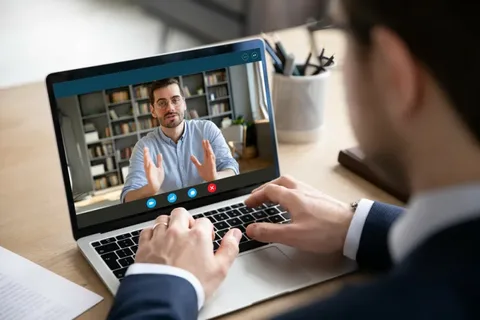
Video adjusting for remote loss assessment.
Often, the loss adjuster has to visit the site to assess the total value of the damage that occurred. This leads to time delays as the adjuster needs to make travel arrangements to the site, depending on their schedule. However, video adjusting allows loss adjusters to access the claim remotely in real time without sacrificing accuracy.
In video adjusting, the loss adjuster schedules an appointment with the policyholder and guides the client to evaluate the damages that occurred. Features like augmented reality and remote snapshots can improve the whole process of remote loss adjustment. Real-time evaluation, claims processing within time, improved customer satisfaction, etc., are the major benefits of video adjusting.
Virtual Reality and Augmented Reality
Technologies like virtual reality and augmented reality have immense potential to enhance the claims process in various ways. Virtual reality enables loss adjusters to conduct remote inspections of damaged property to speed up claim processing.
Virtual reality can also be used to train loss adjusters in realistic case scenarios to provide hands-on experience without the need for actual claims. In addition to that, technologies like augmented reality provide interactive tools for the customer to understand the claims process and make informed decisions.
Self-service claim submission
Insurers have mobile applications and online portals where policyholders can upload photos, videos, and descriptions of the loss or damage. These apps guide users through increasing the accuracy of the claim processing.
For low-complexity losses, a rough estimate of losses can be generated even with photos. In case of major losses, a loss adjuster can make use of 3D measurements and photos for drafting an estimate.
Drone and satellite imaging
After a natural disaster or a major accident, drones are used to inspect the sites where the loss occurred. It can safely capture the aerial views of high-risk areas for early-stage assessments.
Blockchain Technology for Transparent Claims
The use of blockchain technology in claim processing ensures that the data and claim details cannot be altered or tampered with. It also helps to create a single source of information for all the stakeholders in the claims processing. Furthermore, it also allows the real-time sharing of information among the insurers, assessors, adjusters, and policyholders.
Hybrid work models
Remote loss adjustment supports hybrid teams, where loss adjusters can collaborate and contribute to the process from anywhere using secure cloud-based systems. To improve responsiveness and operational efficiency, stakeholders can make use of hybrid work models.
Challenges of Remote Loss Adjusting
- Validation of evidence: Verification of the accuracy of the submitted details is challenging in remote loss adjusting.
- Data security risks: Handling of customer data requires strong cybersecurity protocols.
- Technology gaps: The policyholders may not be technically updated for self-service claim submission.
- Complex and high-value claims: The complex claim processing needs in-depth direct inspection, especially if there are any disputes or negotiations.
Conclusion
To ensure a fair outcome in the claim management process, insurers have to balance digital efficiency and human expertise. Remote loss adjusting is becoming a major part of the insurance industry now. Whether you’re a policyholder, insurer, or loss adjuster in Dubai, adapting to AI, mobile technology, and other digital tools can help process claims faster, reduce operational costs, and improve overall customer satisfaction.